World Spider Web: A Designer’s Review
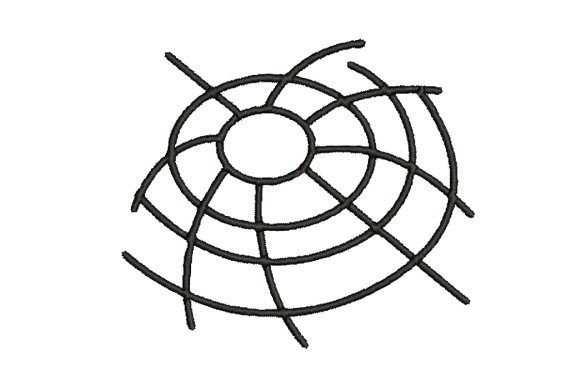
As an embroidery designer who has spent years digitizing patterns and consulting for small clothing brands, I approach every new machine embroidery design with a critical eye. It is not just about whether the lines are clean; it is about how the design translates from a digital screen to a tangible, wearable piece of art. Recently, I had the opportunity to evaluate World Spider Web, a unique concept within the Bugs category, for an upcoming limited drop of premium sweatshirts for a boutique brand client. The premise is fascinating: a spider weaving a web in the shape of a globe. This metaphorical twist on a traditional nature motif offers a fresh perspective for modern custom apparel.
First Impressions and Design Aesthetics
The first thing that strikes you about World Spider Web is its conceptual depth. Unlike standard insect motifs that rely solely on biological accuracy, this design leans into symbolism. The description notes that the spider is a small animal using its web to create various works, with each web being different. In practice, this suggests a design that is organic rather than rigidly geometric. For a boutique brand looking to stand out in a saturated market, this uniqueness is invaluable. The aesthetic feels simultaneously rustic and playful, bridging the gap between cute seasonal decor and bold statement wear.
When visualizing this as a finished product, the mood is distinctly atmospheric. It does not scream "Halloween" despite the arachnid subject; instead, it evokes a sense of interconnectedness and craftsmanship. For an Etsy seller or a creative entrepreneur, this versatility is key. The design avoids the overly aggressive look some bug-themed embroidery can have, opting instead for a more decorative and intricate presentation. The layout appears balanced, with the central globe-web structure providing a strong focal point that draws the eye without overwhelming the garment.
Application on Sweatshirts and Hoodies
The primary test for any design intended for sweatshirt embroidery is how it interacts with heavy, textured fabrics. I imagined placing World Spider Web on a range of neutral sweatshirts—charcoal, oatmeal, and slate blue. On dark fabric, the design demands high-contrast thread colors. A metallic silver or bright white thread would make the web strands pop against a black hoodie, creating a striking visual that feels premium and modern. Conversely, on pastel colors like blush or sage, using tonal threads (such as soft grey on light grey) creates a subtle, sophisticated look that appeals to customers seeking minimalism.
Placement is crucial for hoodie design success. For an oversized hoodie, a larger scale of the design on the back makes a bold fashion statement, turning the garment into a centerpiece. However, for a more commercial, everyday wearability, I recommend a left-chest placement. Here, the intricate details of the web must hold up at a smaller size. If the stitch density is too low, the fine lines of the web may get lost in the pile of the fleece. If it is too high, the fabric may pucker. This is where the quality of the digital embroidery file becomes apparent. A well-digitized file will balance these elements, ensuring the spider remains recognizable and the web structure intact, even when scaled down for a pocket accent.
Fabric Texture and Stabilizer Choices
Working with cozy seasonal apparel requires careful attention to fabric texture. Sweatshirts and hoodies are thick, often featuring a terry cloth interior or a smooth fleece exterior. To ensure World Spider Web lays flat and does not distort during washing, the choice of stabilizer is non-negotiable. I strongly advise using a cut-away stabilizer for these garments. Unlike tear-away options, cut-away provides permanent support, which is essential for maintaining the integrity of the web’s circular shape over time. This is a common concern for commercial embroidery projects where durability and customer satisfaction are paramount.
Additionally, the hoop size must be selected carefully. While the design might fit in a standard 4x4 hoop, using a 5x7 or 6x10 hoop allows for better stabilization of the surrounding fabric, preventing hoop burn on delicate knits. For those producing a small shop product line, consistency in hooping technique ensures that every unit looks professional and retail-ready.
Commercial Viability and Brand Identity
From a business perspective, incorporating World Spider Web into a collection can significantly enhance brand identity. It signals to buyers that the brand values creativity and detail. For handmade business owners, this design serves as an excellent conversation starter in product descriptions and social media posts. It allows for storytelling—discussing the symbolism of the web and the globe—which increases customer engagement and perceived value.
When creating printable mockup previews for online listings, the contrast and clarity of this design shine. It photographs well because the linear nature of the web catches light differently than solid filled areas, adding dimension to flat-lay photos. This visual appeal translates directly to higher click-through rates for Etsy sellers and independent designers. The design feels strong enough for commercial use, provided the producer respects the technical limitations of the fabric and machine.
Practical Considerations for Production
Before running a full production batch, there are several technical details that must be verified. Since the product description states that "each spider web is different," it is vital to check the specific embroidery file for consistency if multiple colorways are planned. Designers should review the stitch count and recommended hoop size included in the download package, as these were not explicitly detailed in the brief overview. Understanding these parameters helps in calculating production time and thread usage, which are critical for pricing your handmade product correctly.
Washing durability is another major factor. Customers expect their premium sweatshirts to last. Ensuring that the thread tension is correct and that the backing is properly trimmed will prevent unraveling. The spider element, being a small detail, should be checked for secure anchoring stitches to ensure it does not loosen after repeated washes. This level of quality control builds buyer trust and encourages repeat business.
Final Thoughts on World Spider Web
In conclusion, World Spider Web is a compelling addition to any designer’s library of design assets. It transcends the typical boundaries of the Bugs category by offering a global, artistic interpretation that fits seamlessly into contemporary fashion. Whether used for a bold back print on an oversized hoodie or a delicate chest emblem on a fitted sweatshirt, it offers versatility and visual interest. For the experienced embroiderer, it presents a manageable challenge that rewards careful attention to stabilizer choice and thread contrast. For the boutique owner, it offers a unique selling proposition that elevates the perceived quality of the finished product. By leveraging this design effectively, small businesses can create memorable, high-quality apparel that resonates with modern consumers looking for meaning and style in their wardrobe staples.