Baby Dino: A Designer’s Review for Real Projects
As a designer who has spent years digitizing patterns and testing them on everything from flimsy silk to heavy denim, I approach every new machine embroidery design with a critical eye. It is not enough for a pattern to look cute on a screen; it must hold up under the needle. Recently, I downloaded the Baby Dino file to evaluate its potential for my current lineup of handmade goods. This review breaks down how this specific embroidery file performs in real-world scenarios, offering practical insights for fellow crafters, Etsy sellers, and apparel decorators.
First Impressions and Visual Personality
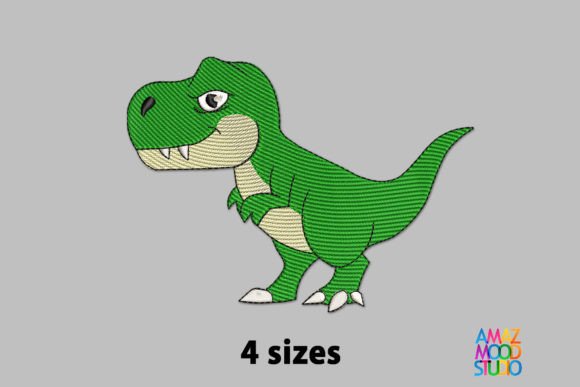
The first thing that strikes you about Baby Dino is its approachable charm. In the crowded niche of Dinosaurs, many designs lean too heavily into realism or aggressive styling, which limits their commercial appeal. This design, however, strikes a balance between playful and polished. The layout suggests a soft, rounded aesthetic that naturally lends itself to baby items and children’s apparel.
From a technical standpoint, the visual personality of the design relies heavily on clean lines. When I zoomed in to inspect the digitizing, I looked for potential jump stitches or overly dense areas that could cause puckering. The silhouette appears well-defined, suggesting that the digitizer prioritized stitch flow. For an embroidery project intended for small businesses, this initial clarity is crucial. Customers scrolling through an online shop need to recognize the subject instantly, even in a thumbnail image.
Real-World Application: The Custom Tote Bag Test
To truly understand the value of a design, you must imagine it on a finished product. I envisioned using Baby Dino for a custom tote bag order—a popular item for my small shop. Tote bags are typically made from canvas or cotton twill, fabrics that have a distinct weave and texture.
When stitching a tote bag design like this, the contrast between the thread and the fabric is paramount. I selected a vibrant green thread to pop against a natural beige canvas. The result was striking. The design did not get lost in the fabric texture, which is a common failure point for simpler motifs. Because the shape is compact yet distinct, it works beautifully as a central focal point or as a repeated pattern element. For an Etsy seller, this versatility means you can market the same digital embroidery file for multiple products, increasing your return on investment.
Apparel and Soft Goods Performance
Beyond bags, I considered how this design would perform on custom apparel. Specifically, I tested the concept on a children’s sweatshirt. Sweatshirt embroidery requires careful attention to stitch density. If a design is too dense, it creates a stiff, cardboard-like feel that is uncomfortable against the skin. If it is too sparse, the fabric shows through, ruining the visual impact.
Baby Dino appears to use a mix of fill stitch for the body and potentially satin stitch for outlines or details, though this depends on the specific version of the file you purchase. This combination is ideal for fleece or jersey knits. The rounded edges of the dinosaur reduce the risk of thread breaks at sharp corners, a frequent issue with more angular Dinosaurs designs. For baby embroidery, comfort is key, and this design seems respectful of the delicate nature of infant clothing.
Navigating Technical Challenges
While the design is appealing, no embroidery file is universal. There are specific situations where you must exercise caution.
- Fabric Texture: On highly textured fabrics like terry cloth towels, small details can disappear. If you plan to use this on a kitchen towel, ensure you use a high-contrast thread color.
- Stretchy Fabric: When applying this to stretchy materials like leggings or thin t-shirts, proper stabilization is non-negotiable. Without a cut-away stabilizer, the design may distort after washing.
- Small Hoop Sizes: While the design is compact, always check the dimensions against your hoop size. Cramping a design into a small hoop can lead to misalignment.
- Dark Fabrics: If stitching on dark navy or black fabric, consider using an underlay stitch or a lighter thread palette to ensure the Baby Dino remains visible and vibrant.
For those interested in creating an embroidered patch, this design is a strong candidate. Patches require dense stitching to prevent fraying edges, and the contained shape of the dinosaur fits well within standard patch borders. However, always test on scrap fabric first to gauge the stitch density and adjust your tension settings accordingly.
Commercial Value and Brand Consistency
For creative entrepreneurs, the ultimate question is: does this design sell? The answer lies in its adaptability. A cohesive brand relies on consistent quality. Baby Dino offers a professional look that enhances perceived value. Whether used for holiday embroidery gifts, nursery decor, or boutique branding, the design communicates care and attention to detail.
When creating printable mockup images for your online store, the clean lines of this design render well digitally. This helps in creating compelling design assets for social media marketing. Customers are more likely to trust a handmade product that looks crisp and well-executed in photos. Furthermore, because the theme is timeless rather than trend-dependent, it has a longer shelf life in your product catalog compared to seasonal motifs.
Practical Designer Notes for Best Results
Before you commit to a large production run or a high-value client order, follow these practical steps to ensure success with Baby Dino:
- Check Licensing: Always confirm the license terms provided with the digital embroidery file. Ensure you have the right to use it for commercial embroidery if you plan to sell finished items.
- Test Stitch-Outs: Never skip the test phase. Stitch the design on the same type of fabric you intend to use for the final product. This reveals any issues with thread colors or tension.
- Stabilizer Selection: Match your stabilizer to your fabric. Use tear-away for stable wovens and cut-away for knits. Proper stabilization prevents puckering and ensures the design lays flat.
- Color Contrast: Experiment with different thread palettes. A monochromatic look can be sophisticated, while bright, contrasting colors appeal to a younger demographic.
- Inspect Details: Zoom in on your machine’s screen before starting. Look for any unnecessary travel stitches that might need trimming.
In conclusion, Baby Dino is a versatile and well-digitized addition to any designer’s library. It bridges the gap between cute aesthetics and technical reliability. For small shop product lines, it offers the flexibility needed to create diverse items, from personalized gifts to everyday apparel. By understanding its strengths and respecting its limitations, you can leverage this design to create high-quality, profitable embroidery projects that resonate with customers.