Dwarf Boo: A Designer’s Review for Real Projects
As an embroidery designer who has spent years digitizing patterns and testing them on everything from delicate silk to heavy denim, I approach every new machine embroidery design with a critical eye. It is not enough for a design to look cute on a screen; it must hold up under the needle, survive the wash, and appeal to the end customer. Recently, I evaluated Dwarf Boo, a charming piece from the Fairy Tales category, to determine its viability for real-world commercial and personal use. Here is my practical assessment of how this design performs in the hoop.
First Impressions and Visual Personality
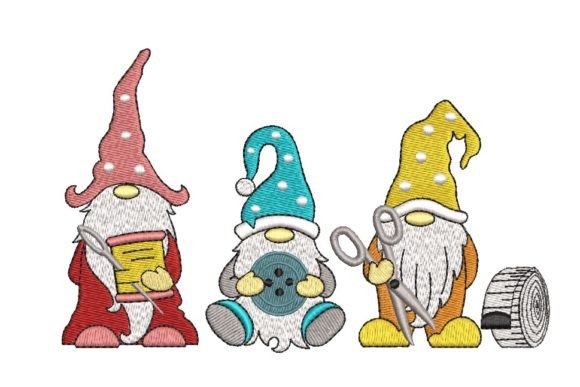
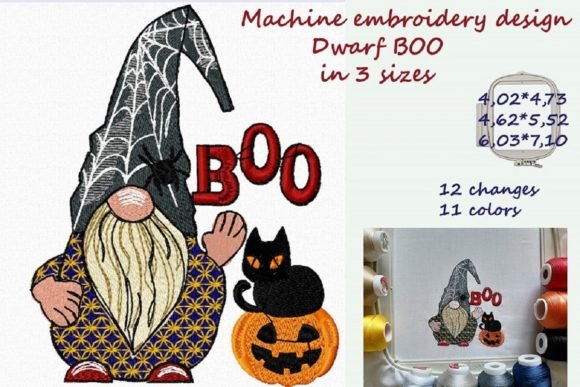
The first thing that strikes you about Dwarf Boo is its whimsical yet grounded aesthetic. It captures the essence of folklore without becoming overly complex or cluttered. For those of us who sell handmade products, visual clarity is paramount. A design that is too busy often gets lost in the texture of the fabric, while one that is too simple may lack perceived value. This design strikes a balance. The character’s shape is distinct, making it instantly recognizable even from a distance. This is crucial for items like tote bags or patches where the design needs to make an immediate impact.
The mood it creates is playful and nostalgic, tapping into the enduring popularity of fairy tale motifs. However, it avoids being childish in a way that limits its market. Instead, it feels like a modern interpretation of classic storytelling, which broadens its appeal to adult buyers looking for unique personalized gifts or boutique-style decor. When I visualized this stitched out, I immediately thought of its potential on natural fibers, where the organic feel of the thread complements the rustic charm of the character.
Real-World Application: The Linen Tote Test
To truly understand a design’s potential, you must imagine it in a specific product context. I envisioned using Dwarf Boo for a custom tote bag design aimed at book lovers and fantasy enthusiasts. Linen is a popular choice for these bags due to its durability and aesthetic, but it presents challenges. The weave can be loose, and the fabric has little give.
The product description notes that this embroidery file is suitable for linen and knitwear, provided a water-soluble film is used on top. This advice is spot-on. When stitching on linen, a water-soluble stabilizer on top prevents the stitches from sinking into the weave, ensuring that the details of the dwarf’s features remain crisp. In my mental simulation of this project, the design sat comfortably in a standard 5x7 hoop, allowing for ample space around the character for a clean finish. The result would be a high-quality finished product that feels substantial and well-crafted, justifying a higher price point for Etsy sellers and small shop owners.
Adapting for Knitwear and Apparel
Moving from linen to knitwear changes the dynamic entirely. I considered applying this design to a cozy sweatshirt, a popular item for custom apparel businesses. Knits stretch, which can distort embroidery if not handled correctly. The recommendation to use a water-soluble film is again critical here. It stabilizes the surface tension during stitching, preventing the fabric from puckering around the design.
For sweatshirt embroidery, the density of the stitch pattern matters. If the design is too dense, it can create a stiff, uncomfortable patch on a soft garment. While I do not have the exact stitch count for Dwarf Boo, the visual layout suggests a balanced use of fill and satin stitches. This balance is ideal for apparel, as it provides coverage without excessive bulk. It would also work beautifully on a baby onesie, creating a delightful baby embroidery piece that parents would cherish. However, always test on scrap fabric first to ensure the stabilizer combination works with your specific machine and thread tension.
Technical Considerations for Designers
Before committing to a large production run or listing this as a small shop product, there are several technical factors to review. Since the design comes in multiple digital embroidery file formats, compatibility with major machines is likely covered, but you must verify the specific formats against your hardware. Additionally, check the recommended hoop size. Placing a design intended for a larger hoop into a smaller one will result in cropping and frustration.
Thread colors play a significant role in the final outcome. I recommend creating mockups in both light and dark fabric backgrounds. On dark fabrics, you may need to adjust the underlay or add a white base layer to ensure the colors pop. On light fabrics, pay attention to shadow effects from dense areas. Testing the design in black and white can also help you identify any issues with contrast or detail loss that might not be visible in color.
Another key consideration is stitch density. High-density areas can perforate thin fabrics, leading to tearing over time. If you plan to use this on delicate materials, consider reducing the density in your editing software if you have the skills, or choose a heavier fabric like canvas or twill. For curved surfaces like caps, ensure the design is centered and properly stabilized to avoid shifting during the stitching process.
Commercial Viability and Brand Consistency
For craft business owners, the versatility of a design directly impacts its ROI. Dwarf Boo fits seamlessly into various niches: holiday gifts, nursery decor, and fantasy-themed merchandise. Its alignment with the Fairy Tales category allows for cohesive branding if you are building a collection around storytelling or whimsy. Consistency in design style helps build brand recognition and customer trust.
When selling commercial embroidery items, presentation is everything. Use high-quality printable mockup tools to showcase the design on different products before you stitch a single thread. This helps gauge customer interest and refine your marketing strategy. Highlight the handmade nature of the product, emphasizing the care taken in selecting materials and the precision of the embroidery. Buyers of personalized gifts value this attention to detail.
Licensing and Ethical Use
Always confirm the licensing terms before selling finished items or digital products. While many designers allow commercial use of their design assets for physical goods, restrictions may apply to digital resale or mass production. Respect intellectual property rights to maintain professionalism and avoid legal issues. If the license is unclear, reach out to the designer for clarification. This step is non-negotiable for serious entrepreneurs.
Final Verdict
Dwarf Boo is a solid addition to any embroidery library, particularly for those focusing on whimsical, narrative-driven designs. Its suitability for both linen and knitwear, when paired with the correct stabilizers, makes it versatile for a range of projects from tote bags to sweatshirts. By paying attention to technical details like hoop size, thread contrast, and fabric texture, you can ensure a professional result that enhances the value of your embroidery project. Whether you are an experienced decorator or a hobbyist looking to elevate your craft, this design offers a charming and practical option for creating memorable, high-quality goods.