Baby Boy Embroidery: A Designer’s Review for Boutique Sweatshirts
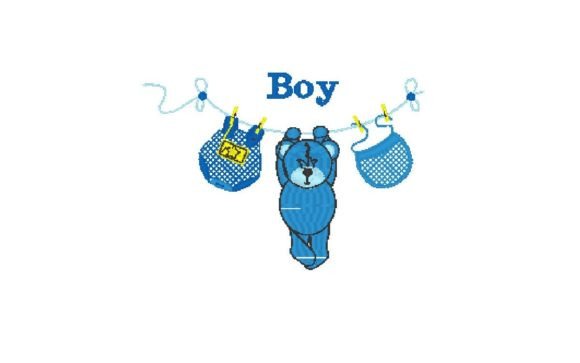
As an embroidery designer who has spent years refining digitizing techniques for small clothing brands, I approach every new machine embroidery design with a critical eye. It is not just about whether the pattern looks cute on a screen; it is about how it performs on fabric, how it elevates the perceived value of the garment, and whether it fits the aesthetic of a modern boutique brand. Recently, I evaluated the Baby Boy design for a potential limited-edition sweatshirt drop, and here is my professional assessment of its viability for commercial apparel use.
First Impressions: Mood and Aesthetic Appeal
The initial visual impact of Baby Boy is undeniably charming. The description promises an "adorable accent," and the layout delivers on that promise without feeling cluttered. For a designer, this balance is crucial. Overly complex designs can look messy on thick fabrics, while overly simple ones can feel cheap. This pattern strikes a middle ground that feels both playful and intentional.
The mood leans heavily into the soft, nostalgic side of childhood apparel. It does not scream bold or aggressive; instead, it whispers cozy and secure. This makes it an excellent candidate for pastel colors and neutral tones. When I visualize this embroidery file on a cream or oatmeal-colored sweatshirt, the thread colors pop gently against the background, creating a high-end, handmade product feel that mass-produced prints simply cannot replicate.
Fabric Compatibility and Stitch Performance
One of the most significant challenges in sweatshirt embroidery is managing fabric texture and thickness. Sweatshirts and hoodies are typically made from heavy cotton blends or fleece, which require specific technical considerations. The Baby Boy design appears to have a stitch density that is moderate, which is ideal for these materials. If the density were too high, it could cause puckering or stiffness; if too low, the underlying fabric might show through, ruining the finish.
For dark fabric applications, such as navy or charcoal hoodies, contrast becomes key. I recommend using lighter thread colors to ensure the design remains readable. The "extraordinary look" mentioned in the product description relies heavily on this contrast. On darker backgrounds, the design transforms from a subtle accent to a focal point, making it versatile for different seasonal collections.
Stabilizer choice is non-negotiable here. For a premium feel, I always suggest using a cut-away stabilizer for knit fabrics like sweatshirts. This ensures that the finished product maintains its shape after multiple washes. Since this design is intended for items that will be worn and washed frequently, durability is paramount. The stitch structure of Baby Boy seems robust enough to withstand regular laundering, provided the correct stabilizer is used during production.
Placement Strategies for Maximum Impact
Where you place the embroidery defines the garment’s style. For the Baby Boy pattern, I see three strong placement options for a boutique collection:
- Chest Placement: A small to medium-sized hoop on the left chest creates a classic, understated look. This is perfect for customers who prefer minimal branding but still want a touch of personality.
- Sleeve Accents: Placing the design on the upper sleeve adds a trendy, modern vibe. This works exceptionally well for oversized hoodies where the sleeve area is more visible.
- Back Design: If the design scales up well within the available hoop size, a larger back placement can turn a basic sweatshirt into a statement piece. However, always check the scalability of the digital embroidery file before committing to large hoops.
For Etsy sellers and small shop owners, offering multiple placement options can increase average order value. Customers love customization, and showing how Baby Boy looks in different positions on your website or printable mockup can significantly boost conversion rates.
Commercial Viability and Brand Identity
From a business perspective, incorporating a unique design like Baby Boy helps differentiate your brand in a saturated market. In the world of custom apparel, uniqueness drives buyer trust. When customers see high-quality stitching and thoughtful design choices, they perceive the item as a luxury handmade product rather than a generic commodity.
This design fits seamlessly into the Boys category, but its appeal is broad enough to attract gift buyers looking for gender-neutral or soft aesthetic options. It enhances brand identity by associating your shop with quality and attention to detail. For creative entrepreneurs, this means higher customer engagement and better visual recognition on social media platforms where lifestyle product photography thrives.
However, before launching a full production run, there are practical details to verify. The product description notes that the design comes with "multiple embroidery fi," which likely refers to file formats. As a professional, I must remind you to check exactly which formats are included to ensure compatibility with your specific embroidery machine. Additionally, confirm the recommended hoop size and exact stitch count if not explicitly stated, as these factors influence production time and cost.
Enhancing Product Value Through Presentation
The way you present Baby Boy in your online store matters as much as the stitching itself. Use high-resolution images that highlight the texture of the thread against the fabric. Close-up shots of the stitch density can reassure customers of the quality. Include behind-the-scenes content showing the embroidery process; this transparency builds trust and emphasizes the handmade nature of your goods.
For digital sellers who might license this design, providing clear guidelines on thread colors and stabilizer recommendations can reduce customer support queries and improve end-user satisfaction. Positioning Baby Boy as part of a cohesive collection—perhaps paired with matching accessories or complementary patterns—can further elevate its perceived value.
Final Verdict for Small Business Owners
The Baby Boy embroidery design is a strong contender for any boutique brand focusing on children’s apparel or cozy seasonal wear. Its versatility across different fabric colors and placements makes it a flexible asset for your design library. While it exudes a cute and playful energy, the execution allows for a premium finish that justifies a higher price point.
For Etsy sellers and apparel decorators, this design offers a blend of aesthetic appeal and practical usability. Just ensure you test it on your specific fabric blends and adjust your tension and stabilizer accordingly. With the right presentation and technical care, Baby Boy can become a staple in your shop, driving sales and enhancing your reputation for quality craftsmanship. Always remember to review the specific technical details of the embroidery file before starting your next commercial embroidery project to ensure a smooth production process.