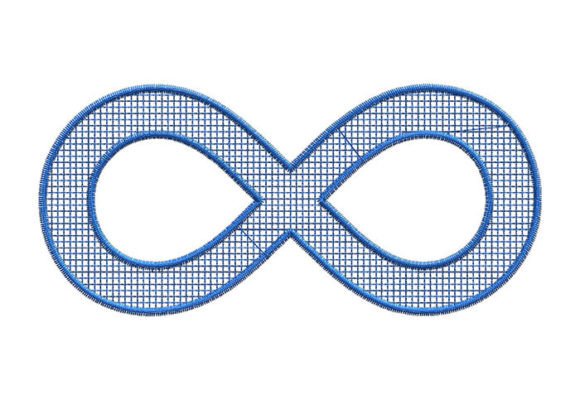
Infinity Net Fill: A Designer’s Craft Fair Review
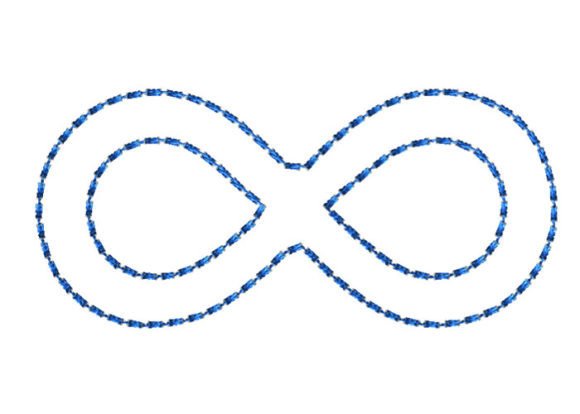
As an embroidery designer who has spent countless weekends behind a booth table, I know that not every machine embroidery design translates into a bestseller. Some designs look beautiful on a screen but vanish in person, while others become instant conversation starters. Today, I am reviewing Infinity Net Fill, a design from the Shapes category, through the lens of a maker preparing for a busy handmade market season. This review focuses on practical application, visual impact, and production viability for those of us turning thread into profit.
First Impressions and Visual Appeal
The title Infinity Net Fill suggests a continuous, interconnected pattern, likely offering a modern or geometric aesthetic. In the world of Embroidery, fill patterns are critical because they provide texture and weight to a piece. My first impression is that this design leans toward the minimal yet decorative side. It does not scream "rustic farmhouse" or "cute cartoon," which can be limiting. Instead, it feels versatile, elegant, and contemporary. This neutrality is a strength for a craft fair product because it appeals to a broader demographic, from young professionals looking for chic home decor to traditionalists who appreciate clean lines.
When I imagine placing this on a display table, I see it working best as a textural element rather than a pictorial one. It adds sophistication without overwhelming the base fabric. For an Etsy seller or boutique maker, this means the design can anchor a brand identity that feels premium and curated.
Product Applications That Sell
To determine the true value of Infinity Net Fill, we must look at where it lives. Here is how I would deploy this design across various handmade product categories:
- Tote Bags: This is arguably the strongest candidate. A large-scale version of the net fill on a canvas tote bag design creates a striking focal point. It transforms a plain utility item into a fashion accessory. The geometric nature of the net ensures it looks intentional and high-end.
- Aprons and Kitchen Textiles: For apron embroidery, consider placing the design on the bib or as a border on the pocket. On tea towel embroidery, use it sparingly. A dense fill on a thin towel can cause puckering, so scale matters here.
- Embroidered Patches: If the design holds up at small sizes, it makes an excellent embroidered patch. Patches are low-commitment purchases for customers and great add-ons at checkout. Ensure the edges are satin-stitched or well-defined to prevent fraying.
- Pillow Covers and Home Decor: A monochromatic thread choice on a linen pillow cover screams luxury. This is a high-margin item where the perceived value of the stitching justifies a higher price point.
Production Practicality and Batch Efficiency
For those of us running a small shop product line, time is money. Infinity Net Fill appears to be a repeatable asset. Because it is a shape-based fill, it likely digitized with consistent stitch angles, making it reliable for batch production. However, you must verify the stitch density. If the net is too dense, it will use excessive thread and take longer to stitch, eating into your margins. If it is too sparse, it may look cheap or fail to cover the fabric adequately.
Photography is another crucial factor. Geometric fills like this photograph beautifully for online listings. They create interesting shadows and highlights that add depth to flat-lay photos. Creating a printable mockup or digital composite using this design can help you test color combinations before committing to physical samples. This saves both thread and fabric during the prototyping phase.
Careful-Use Notes and Technical Considerations
While Infinity Net Fill is versatile, it is not without its challenges. As an experienced designer, I advise caution in the following areas:
- Fabric Texture: Avoid using dense fills on highly textured fabrics like thick waffle-weave towels unless you use a strong cut-away stabilizer. The stitches may sink into the pile, losing the definition of the net pattern.
- Curved Surfaces: Be careful when applying this to caps. The curvature of a cap can distort geometric shapes. Test extensively on curved hooping frames to ensure the net does not appear stretched or warped.
- Dark Fabrics: If stitching on dark fabric, ensure your thread colors have enough contrast. A subtle tone-on-tone effect might look elegant in person but disappear completely in online photos, hurting your conversion rates.
- Small Details: If the net has very fine intersections, they may break or bunch up if scaled down too far. Always check the smallest recommended size before selling tiny items like coin purses.
Designer’s Checklist for Success
Before you list this as a commercial embroidery product or sell finished goods, run through this practical checklist:
- Test on Scrap Fabric: Never skip the test stitch. Check for thread breaks and tension issues.
- Review Stabilizer: Match the stabilizer to the fabric weight. A heavy net fill on a light tote bag requires a sturdy tear-away or cut-away backing to prevent sagging.
- Confirm Hoop Size: The product description mentions multiple formats, but always verify the maximum hoop size compatibility with your machine. You do not want to discover mid-production that the design exceeds your largest hoop.
- Check Licensing: The description states it comes with multiple embroidery file formats and can be used for multi-purpose creations. However, always read the specific license terms included with the digital embroidery file. Confirm whether you are allowed to sell finished physical products or if there are restrictions on quantity.
- Create Real Mockups: Stitch one perfect sample on your primary product type (e.g., a tote). Use this for all marketing materials to ensure brand consistency.
Final Verdict for Craft Fair Sellers
Infinity Net Fill is a strong contender for makers who want to elevate their design assets beyond basic motifs. It offers a balance of modern aesthetics and technical reliability. For the Etsy seller or craft fair vendor, it provides the flexibility to create a cohesive collection across different product types, from kitchenware to accessories. By paying attention to fabric texture and stitch density, you can turn this shape-based design into a signature element of your brand. Remember, the goal is not just to stitch a design, but to create a finished product that customers feel compelled to touch and buy. With careful execution, Infinity Net Fill can certainly help achieve that.