Happy Pig: A Craft Fair Review for Embroidery Sellers
As an embroidery designer who has spent countless weekends behind a booth table, I know that not every machine embroidery design translates into a bestseller. Some designs look fantastic on a screen but fail to capture attention in person. Today, I am reviewing the Happy Pig design from a practical, business-focused perspective. This isn't just about aesthetics; it is about whether this Farm Animals themed artwork will help you move inventory at your next market.
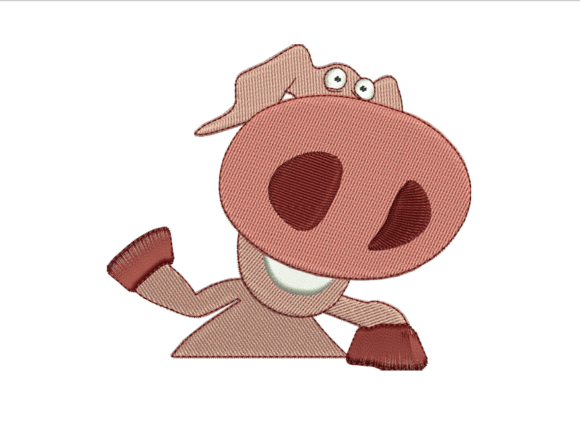
The premise of Happy Pig is simple yet effective. The product description promises a cute embroidery that puts a big smile on kids' faces, with enough charm to appeal to elders as well. In the world of handmade product sales, cross-generational appeal is a powerful tool. When I first visualized this design, my immediate impression was one of warmth and approachability. It does not scream "high fashion," nor does it try to be overly complex. Instead, it leans into a friendly, rustic vibe that fits perfectly within the current trend of cozy, home-centric decor.
Visual Appeal and First Impressions
When scanning a crowded craft fair table, customers make split-second decisions. A design like Happy Pig works because it is instantly recognizable. There is no ambiguity. The subject matter is clear, and the emotional cue—happiness—is embedded in the name and likely the expression of the character. For an Etsy seller or boutique maker, this clarity reduces the cognitive load for the buyer. They do not have to guess what it is; they simply react to the cuteness.
This type of Embroidery art thrives on simplicity. If the design relies on bold lines and cheerful thread colors, it will stand out against neutral fabrics. I imagine this design performing exceptionally well when paired with natural tones like cream, oatmeal, or soft pastels. It feels decorative yet minimal enough to fit into modern farmhouse interiors, which remain a dominant force in home goods sales.
Product Placement: Where Does Happy Pig Sell?
To maximize ROI, you must place the right design on the right substrate. Based on the playful nature of Happy Pig, here is how I would deploy it across a product line:
- Tote Bags and Market Bags: This is arguably the strongest candidate. A tote bag design featuring a happy pig appeals to grocery shoppers, parents, and teachers alike. It transforms a utilitarian item into a statement piece. The large surface area allows the design to breathe, ensuring that details are not lost.
- Aprons and Kitchen Textiles: An apron embroidery project using this motif targets the cooking enthusiast who loves whimsy. Similarly, tea towel embroidery offers a lower-price-point impulse buy. However, you must be cautious with towel loops and texture, which can distort small stitches.
- Children’s Apparel and Accessories: Since the description highlights kids' reactions, consider caps, bibs, or small pouches. The design acts as a focal point on a curved cap surface, provided the digitizing accounts for the curvature.
- Home Decor: Pillow covers and wall hangings benefit from the comforting aesthetic. A large-scale version of Happy Pig on a linen pillow cover could serve as a premium craft fair product with a higher margin.
Production Practicality for Small Shops
For the small shop product creator, time is money. A design that is too dense or requires excessive trimming will eat into your profits. When evaluating Happy Pig for batch production, consider the stitch density. If the design uses solid fills for the pig's body, ensure it is not so dense that it causes puckering on lighter fabrics. Conversely, if it relies on satin stitches, check for length limits to avoid snagging.
One major advantage of character-based designs is their versatility in marketing. You can easily create a printable mockup for your online listings by placing the design on various backgrounds. This helps potential buyers visualize the finished product before they purchase. For digital sellers, offering this as part of a bundle with other farm animals can increase average order value.
Navigating Technical Challenges
While Happy Pig appears straightforward, there are careful-use notes every embroiderer should heed. First, consider the fabric. If you are stitching on thick fabric like denim or canvas tote bags, you may need a stronger needle and appropriate stabilizer to prevent shifting. On textured towels, the design might lose clarity if the stitches are too small. Always test on scrap fabric that matches your final product material.
Another critical factor is color contrast. If you stitch a pink pig on a red background, the design will vanish. Ensure your thread colors pop against the base material. For dark fabrics, consider using a lighter underlay or adjusting the design brightness in your software if possible. Additionally, if the design includes any text or tiny details, verify that they remain legible at smaller sizes. Intricate details often get lost in production, turning a cute face into a blurry mess.
Boosting Brand Consistency and Buyer Engagement
Incorporating Happy Pig into your lineup can strengthen your brand identity if you position yourself as a provider of joyful, handcrafted goods. Consistency in style helps build a loyal customer base. When customers see a cohesive look across your embroidered patch collections, apparel, and home goods, they perceive higher quality and professionalism.
From a booth display perspective, this design serves as an excellent conversation starter. People are drawn to smiling faces. Placing a prominently embroidered item featuring Happy Pig at eye level can draw traffic into your space. Once engaged, you can upsell complementary items, such as matching kitchen sets or gift bundles.
Essential Pre-Production Checklist
Before you commit to producing fifty units for the weekend market, follow these professional steps:
- Verify File Specifications: The product description mentions it is a digital embroidery file, but it cuts off before listing formats. Check if it includes the hoop size you intend to use. Do not assume compatibility; confirm the exact dimensions.
- Check Licensing: Ensure you have the rights for commercial embroidery. Most designers allow finished product sales, but some restrict digital redistribution. Clarify this before listing on Etsy or at fairs.
- Test Stitch-Outs: Run the design on your actual production fabric. Check for thread breaks, jumps, and registration issues.
- Select the Right Stabilizer: Use cut-away stabilizer for stretchy fabrics and tear-away for woven materials to maintain shape without adding unnecessary bulk.
- Create Mockups: Generate high-quality images for your online store. A good design assets package includes transparent PNGs for easy layering in photos.
In conclusion, Happy Pig represents a solid opportunity for embroidery entrepreneurs. Its broad appeal, combined with the versatility of application across totes, aprons, and home decor, makes it a viable candidate for increasing sales. By paying attention to technical details like hoop size, stabilizer choice, and fabric contrast, you can transform this cute digital file into a tangible, profitable asset for your handmade business. Remember, the goal is not just to stitch a design, but to create a product that brings joy—and revenue—to your table.