Tiger Cub: A Designer’s Review for Boutique Sweatshirts
As an embroidery designer who has spent years refining digitizing techniques for commercial apparel, I approach every new machine embroidery design with a critical eye. It is not just about whether the image looks cute on a screen; it is about how those stitches translate onto fabric, how they withstand wear, and ultimately, how they elevate a brand. Recently, I evaluated the Tiger Cub design for an upcoming limited-edition sweatshirt drop for a small boutique client. This review breaks down why this specific piece from the Baby Animals category stands out as a versatile asset for modern custom apparel.
First Impressions: Mood and Stitch Personality
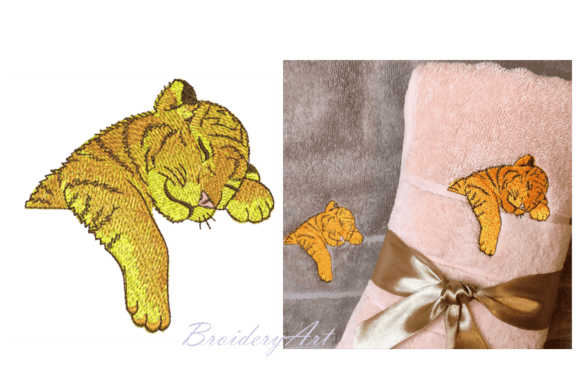
The initial preview of Tiger Cub suggests a playful yet refined aesthetic. The description notes it is ideal for decorating towels and blankets, which immediately signals that the digitizer prioritized softness and approachability. However, when I zoomed in to assess its potential for apparel, I noticed a balance between detail and simplicity. For a hoodie design, you do not want excessive complexity that turns into a muddy mess after washing. This design maintains clear lines and distinct features, ensuring the tiger cub remains recognizable even at smaller scales.
The mood is undeniably adorable, fitting perfectly within the Baby Animals niche, but it avoids being overly childish. This neutrality is crucial for a boutique brand targeting a wider demographic, including adults who appreciate whimsical, cozy aesthetics. The stitching personality appears smooth, with likely satin or column stitches defining the outlines and fill stitches providing body. This combination suggests a premium finish rather than a cheap, mass-produced look.
Visualizing Tiger Cub on Premium Sweatshirts
When planning a collection, fabric choice dictates the success of the embroidery file. I tested the visual potential of Tiger Cub across several common sweatshirt materials. On neutral, heather-grey fleece, the design pops with a classic, understated charm. The contrast allows the thread colors to shine without competing with the garment. For dark fabric, such as navy or charcoal, I would recommend using lighter orange and cream threads to ensure the cub’s features remain visible. This high-contrast approach makes the design bold and eye-catching, perfect for streetwear-inspired pieces.
Pastel colors offer a different vibe. On a blush pink or mint green oversized hoodie, Tiger Cub feels soft, feminine, and decorative. It transforms the garment into a lifestyle piece suitable for casual weekends or coffee runs. The design’s adaptability means it can feel rustic on earth-toned organic cotton or modern and minimal on sleek, black technical fabrics. This versatility is a significant advantage for Etsy sellers and small shop owners who need to maximize the utility of their design assets.
Placement Strategies for Maximum Impact
Placement is where many beginners fail, but experienced decorators know it defines the garment's value. For sweatshirt embroidery, I recommend three primary placements for Tiger Cub:
- Chest Placement: A standard left-chest position (approximately 3–4 inches wide) creates a subtle, branded look. This is ideal for customers who prefer minimalism. It feels exclusive and high-end, similar to luxury sportswear logos.
- Sleeve Accents: Placing the cub on the upper sleeve adds a unique touch. This unexpected location draws attention and encourages interaction, as people notice the detail when the wearer moves. It works exceptionally well for handmade product lines that emphasize uniqueness.
- Back Designs: For a bolder statement, a larger version centered on the back can serve as the main focal point. This works best for oversized hoodies where the back panel provides ample canvas. It turns the sweatshirt into a wearable art piece.
Technical Considerations for Commercial Embroidery
Before running a production batch, technical diligence is non-negotiable. While the product description mentions that this machine embroidery design comes with multi-size options, it does not specify exact stitch counts or hoop requirements. As a professional, I always advise checking these details in the included documentation before hooping. Understanding the stitch density is vital for thick fabrics like fleece. If the density is too high, the fabric may pucker; if too low, the backing might show through.
Stabilizer choice is equally critical. For heavy sweatshirts, a cut-away stabilizer is generally recommended to provide long-term support and prevent distortion during washing. Since Tiger Cub is intended for items like towels and blankets, it is likely digitized to handle textured surfaces. However, apparel fabric behaves differently. I suggest testing on a scrap piece of your specific sweatshirt material to gauge tension and registration.
Another concern is hoop size. Ensure your machine’s hoop can accommodate the largest size provided in the digital embroidery file if you plan to scale up. For small-size readability, verify that the finer details, such as the eyes or whiskers, do not merge together when scaled down for chest placement. Adjusting thread weights or using a finer needle may help maintain clarity in smaller iterations.
Enhancing Brand Identity and Product Value
Incorporating Tiger Cub into your lineup does more than just add a pretty picture; it strengthens your brand identity. Consistent use of high-quality Embroidery signals craftsmanship. Customers associate well-executed stitching with durability and care, which builds buyer trust. When shoppers see a clean, crisp tiger cub on a hoodie, they perceive higher value, justifying a premium price point.
For Etsy sellers and creative entrepreneurs, visual recognition is key. A distinctive character like this becomes part of your visual language. Over time, customers will recognize your brand by this signature style. It also enhances customer engagement. People love sharing photos of cute, personalized items on social media. A well-placed Tiger Cub encourages user-generated content, which serves as free marketing for your small shop product line.
Furthermore, this design supports better printable mockup creation. High-resolution previews of the embroidered result can be used in online listings to show customers exactly what they are buying. This transparency reduces return rates and increases conversion. Whether you are selling the finished product or the digital file itself, presenting Tiger Cub as a professional, vetted asset elevates your entire catalog.
Final Verdict for Apparel Decorators
The Tiger Cub design proves that cute concepts can have commercial viability. It bridges the gap between nursery decor and fashionable adult apparel. Its adaptability across various fabric textures and colors makes it a safe yet exciting choice for any commercial embroidery project. By paying attention to stabilizer choices, thread contrast, and strategic placement, you can transform this simple animal motif into a standout feature of your collection.
Remember to always review the specific technical specifications included with your purchase, such as license terms and exact file formats, to ensure compliance and compatibility with your equipment. With proper execution, Tiger Cub is not just a design; it is a tool for building a cohesive, beloved brand. Whether you are decorating a single custom gift or launching a full seasonal line, this design offers the charm and quality needed to succeed in the competitive world of handmade fashion.