Reviewing the Animal Hippopotamus Embroidery Design
As a designer who has spent countless hours digitizing and stitching out various motifs, I approach every new machine embroidery design with a mix of curiosity and caution. We all know that what looks perfect on a screen does not always translate cleanly to fabric. Recently, I had the opportunity to evaluate the Animal Hippopotamus design, a charming entry in the Baby Animals category. My goal was not just to admire its cuteness but to determine its viability for real-world applications, from custom client orders to small shop merchandise.
First Impressions and Visual Personality
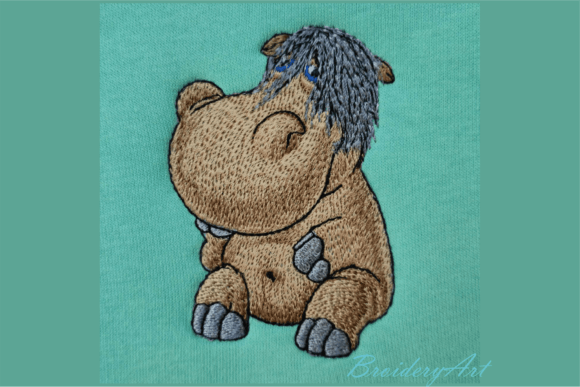
The first thing that strikes you about this digital embroidery file is its approachable nature. The hippo is rendered not as a fearsome beast, but as a "cute behemoth," a description that perfectly captures its visual weight and friendly demeanor. The layout balances bulk with charm, avoiding the overly complex detailing that often causes stitching issues on smaller items. For an experienced eye, the silhouette suggests a design that relies heavily on solid fill areas, likely utilizing fill stitch techniques to create volume, paired with cleaner outlines to define the shape.
This aesthetic appeals to a broad demographic. While it fits squarely into the nursery decor niche, its stylized simplicity allows it to cross over into adult-focused products, such as quirky tote bags or casual sweatshirts. It avoids being overly juvenile, which is a significant advantage for crafters looking to expand their product lines beyond baby showers.
Real-World Application: The Tote Bag Test
To truly understand how this design performs, I envisioned a specific project: a custom canvas tote bag for a local boutique. Canvas is a forgiving fabric, but it requires careful handling of stitch density to prevent puckering. The Animal Hippopotamus design, with its substantial body mass, would serve as a focal point on the front panel.
In this scenario, the design’s appeal lies in its ability to hold its own against the texture of the fabric. A delicate, thin-line design might get lost or look frail on heavy canvas, but this hippo has enough visual weight to stand out. I imagined using contrasting thread colors—perhaps a soft slate blue or muted green—to give it a modern, earthy feel rather than the traditional bright primary colors often associated with children's items. This versatility makes it a strong candidate for handmade product lines that aim for a sophisticated yet playful vibe.
Versatility Across Product Types
Beyond tote bags, this motif shows promise in several other categories. For sweatshirt embroidery, the design would need to be scaled appropriately to fit the chest area without becoming too dense, which could compromise the garment's drape. On baby clothes, such as onesies or bibs, the cute factor is undeniable. However, one must be mindful of the stitch density. Babies have sensitive skin, so ensuring the back of the stitching is smooth and well-covered with a soft stabilizer is crucial for comfort.
It also works well for embroidered patch creation. If you are running a small business selling accessories, turning this design into an iron-on or sew-on patch allows customers to customize their own jackets or backpacks. This adds value to your design assets by offering a modular product rather than just a finished item.
Technical Considerations and Potential Pitfalls
While the design is charming, practical application requires vigilance. Here are key areas where I would exercise caution before committing to a final production run.
- Fabric Texture and Stability: On textured fabrics like terry cloth or fleece, fine details can disappear. Since this hippo likely uses solid fills, it should hold up well, but test stitches are mandatory. On stretchy fabrics like jersey, improper hooping can lead to distortion of the hippo’s round shape.
- Hoop Size Constraints: Always check the required hoop size against your machine’s capabilities. If the design is large, ensure you have the appropriate frame. For smaller hoops, you may need to resize the design, which can inadvertently increase stitch density and cause thread breaks.
- Dark Fabric Challenges: If stitching on dark garments, consider using a lighter underlay or adjusting thread colors to ensure the hippo doesn’t blend into the background. A running stitch outline might help define edges if the contrast is low.
- Washability: Items like kitchen towels or baby clothes undergo frequent washing. Ensure the stitch count is sufficient to withstand wear without unraveling, but not so dense that it creates a stiff, cardboard-like feel.
Enhancing Brand Value and Customer Trust
For Etsy sellers and creative entrepreneurs, the quality of your embroidery directly impacts brand perception. A clean, well-executed Animal Hippopotamus stitch-out signals professionalism. It shows that you care about detail, from thread tension to fabric choice. This attention to detail builds customer trust, encouraging repeat business and positive reviews.
When creating printable mockup images for your online store, this design offers great visual appeal. Its recognizable shape and friendly expression make it instantly engaging in thumbnail images. Whether used for holiday embroidery gifts or year-round custom apparel, it contributes to a cohesive brand identity that feels warm and inviting.
Practical Designer Notes
Before launching any product featuring this design, follow these steps to ensure quality:
- Test on Scrap Fabric: Never stitch directly on your final product. Use the same type of fabric and stabilizer to check for puckering or thread breaks.
- Check Thread Contrast: View your design in black and white to ensure the shapes remain distinct even without color. This helps in selecting thread combinations that offer clear definition.
- Verify Licensing: If you plan to sell finished items or use the digital embroidery file commercially, confirm the license terms provided by the creator. Most commercial licenses allow for physical sales but restrict the redistribution of the digital file itself.
- Inspect Small Details: Zoom in on the digitized file to check for jump stitches or unnecessary trims that might slow down production or affect finish quality.
In conclusion, the Animal Hippopotamus is a versatile and appealing addition to any designer’s library. It bridges the gap between childish whimsy and modern design sensibility, making it suitable for a wide range of craft business applications. By respecting the technical requirements of embroidery and understanding the end-use context, you can leverage this design to create high-value, memorable products that resonate with both adults and children. Whether you are decorating a simple apron or crafting a heirloom-quality baby blanket, this design offers the charm and structural integrity needed for successful finished product outcomes.