Review: Vintage Retro Stay Groovy Hippie Design
As a designer who has spent countless hours digitizing and stitching out thousands of patterns, I have developed a keen eye for what works in the real world versus what merely looks good on a screen. When I first loaded the Vintage Retro Stay Groovy Hippie file into my software, I was immediately struck by its nostalgic charm. It is not just another generic phrase; it carries a specific mood that resonates with the current resurgence of 70s aesthetics. For those of us running small shops or creating personalized gifts, finding designs that balance trendy appeal with technical stitchability is crucial. This review breaks down how this piece performs in actual production environments.
First Impressions and Visual Mood
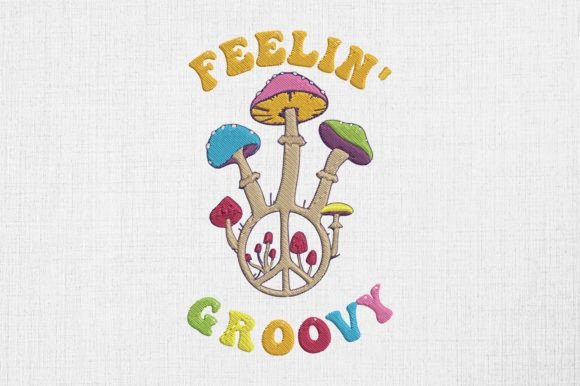
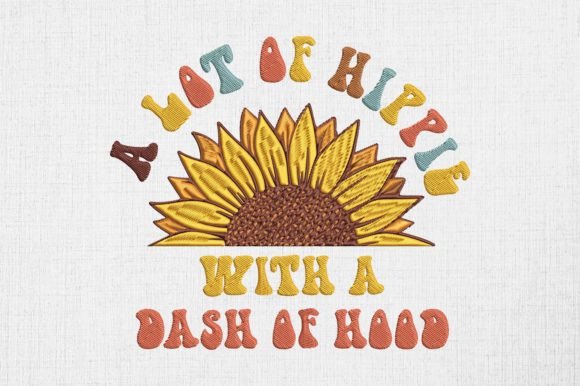
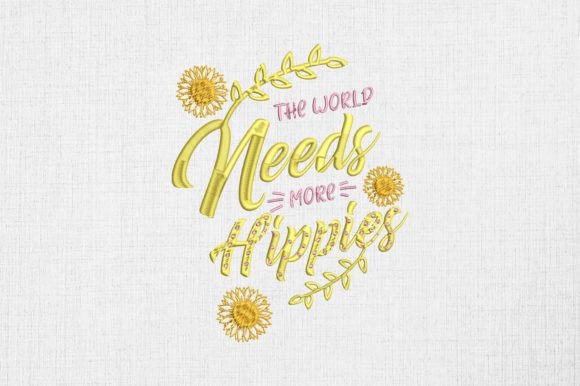
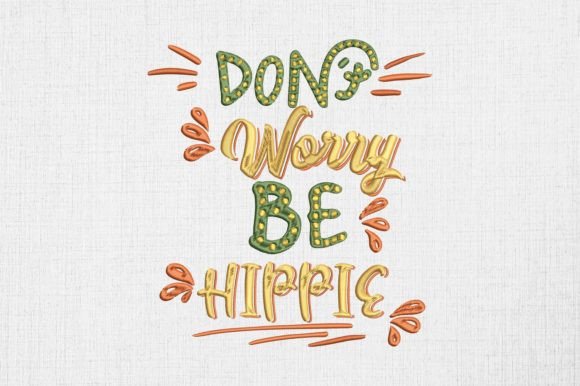
The immediate visual impact of this design is warm and inviting. The typography suggests a hand-drawn quality, which translates beautifully into embroidery when handled correctly. Unlike rigid, geometric fonts that can feel cold, the curves here invite the eye to follow the flow of the thread. The theme is unmistakably boho, tapping into a market that values authenticity and retro vibes. For an embroidery project aimed at younger demographics or those seeking unique home decor, this aesthetic is a strong seller. The layout appears balanced, avoiding the common pitfall of having text that is too spread out or cramped, which often leads to stitching issues on curved surfaces.
Real-World Application: The Tote Bag Test
To truly evaluate a machine embroidery design, you must imagine it on a finished product. I recently considered this pattern for a custom tote bag order. Canvas is a forgiving fabric, but it requires careful attention to stitch density. The Vintage Retro Stay Groovy Hippie design seemed ideal for this application because the bold lines would stand out against the natural texture of the cotton canvas. When stitched out, the design maintained its integrity without puckering, provided I used a cut-away stabilizer. This is a critical point for any craft business owner: the success of your handmade product often depends more on your stabilization choices than the digital embroidery file itself.
Beyond tote bags, this design shines on sweatshirt embroidery. The soft, fuzzy texture of fleece or French terry can sometimes swallow up fine details, but the substantial weight of the lettering in this pattern ensures readability. It creates a high-value look that customers appreciate in custom apparel. Whether for a boutique branding effort or a one-off holiday gift, the design adds a professional touch that elevates the perceived value of the item.
Technical Considerations for Stitchers
While the design is visually appealing, there are technical aspects to consider before hitting the start button. The interplay between satin stitch and fill stitch areas determines the final clarity. In this design, the thicker parts of the letters likely utilize a satin stitch, which provides a shiny, smooth finish. However, if the design includes larger filled areas, you must check the stitch density. High density on stretchy fabric like a t-shirt can cause distortion. I recommend testing the design on scrap fabric first, ideally using the same material you plan to use for the final product.
Thread colors play a significant role in how this design reads. Because it is a retro-themed piece, earthy tones like mustard yellow, burnt orange, and olive green work exceptionally well. However, do not assume that contrast is automatic. If you are stitching on dark fabric, ensure your thread colors are light enough to pop. Conversely, on light fabric, avoid threads that are too pale, as they may disappear into the background. A quick test in black and white mockups can reveal if your color choices provide sufficient contrast for visibility from a distance.
Navigating Challenges with Small Details
One area where many designers stumble is with small hoop sizes. If you intend to use this design on a cap or a baby item, you must verify the dimensions. The description notes that it comes with multiple embroidery file formats, which is a huge advantage. This allows you to resize the design appropriately for different hoop sizes without losing quality. However, be cautious with curved surfaces like caps. The curvature can distort the text, making it appear arched even if it was designed flat. Always hooping firmly and using a appropriate stabilizer is non-negotiable here.
Additionally, consider the fabric texture. Delicate fabrics like silk or thin rayon may not support the weight of the stitches in this design. For such materials, consider using an applique design technique if the pattern allows, or backing the fabric with a heavier interfacing. For textured fabrics like waffle knit or terrycloth, the design should hold up well, but you might need to adjust the pull compensation settings in your software to prevent gaps between stitches.
Commercial Viability and Brand Consistency
For Etsy sellers and digital product sellers, the versatility of this design is a major asset. It fits seamlessly into the boho category, which remains a top-performing niche. Using this design in your printable mockup portfolio can attract buyers looking for unique design assets. It works well for various commercial embroidery projects, from kitchen towels to pillow covers. The key to success is consistency. If your brand focuses on vintage aesthetics, this design reinforces that identity. It builds customer trust because it looks intentional and well-crafted, rather than like a generic clipart addition.
When selling finished products, always confirm licensing before offering items for sale. While the product description mentions it can be used for various applications, understanding the specific terms for commercial use is vital for protecting your craft business. Ensure that the license covers the volume of sales you anticipate. This due diligence protects your small shop product line from potential legal issues and ensures you can scale your business confidently.
Final Verdict for Makers
The Vintage Retro Stay Groovy Hippie design is a solid addition to any embroiderer’s library. It offers a blend of style and practicality that is rare in free or low-cost files. Its strength lies in its adaptability across different mediums, from home decor to wearable art. By paying attention to stabilizer choice, thread contrast, and fabric suitability, you can produce high-quality embroidered patches, aprons, and blankets that customers will love. Remember to test thoroughly, respect the technical limits of your machine, and let the nostalgic vibe of the design guide your creative choices. This is not just a pattern; it is a tool for creating meaningful, tangible connections through handmade goods.